RV living is an exciting lifestyle choice that combines travel, adventure, and home comforts into one unique experience. Whether you’re dreaming of weekend trips or planning to live full-time on the road, there’s a lot to learn before you embark on this journey. This guide will help you understand the essentials—from choosing the right RV to thriving in your new mobile home.
Why Choose RV Living?
For many, RV living is a pathway to freedom and exploration. It allows you to escape the routine of daily life and immerse yourself in nature without sacrificing the conveniences of home. Imagine waking up to panoramic mountain views, the sound of waves at a beachside campsite, or the quiet serenity of a forest clearing—all within arm’s reach of your bed. This lifestyle invites spontaneity and adventure, with the flexibility to go where you want, when you want.
RV living is also appealing for those seeking simplicity and minimalism. Downsizing to an RV forces you to prioritize what’s truly essential, shedding the excess “stuff” and focusing on experiences rather than possessions. For retirees and remote workers, it’s a way to combine travel with comfort and maintain productivity while enjoying new environments. Many find that this lifestyle fosters a deeper connection with nature, community, and themselves.
However, RV life isn’t just about the fun and freedom. It also requires adaptability and resourcefulness. Unlike a traditional home, you’ll have limited space, and you’ll need to manage utilities, maintenance, and travel logistics regularly. But for those who embrace these challenges, the rewards are immense—a blend of adventure, relaxation, and a unique sense of home wherever you park.
Step 1: Choosing the Right RV for You
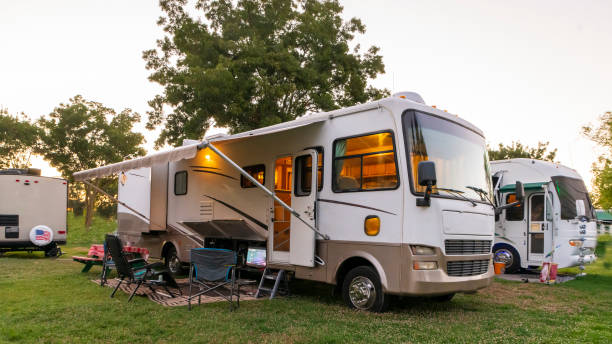
Selecting your RV is the first and one of the most important decisions in this lifestyle. With so many types available, it’s crucial to match the RV to your travel goals, budget, and comfort needs. If luxury and space are top priorities, Class A motorhomes resemble mini-luxury apartments on wheels, complete with full kitchens, bathrooms, and often multiple bedrooms. These are ideal for full-time living or long-term travel but come with a higher price tag and require confidence in handling larger vehicles.
Class B camper vans are the smallest and most nimble option. They’re perfect for solo travelers or couples who want to zip through cities, explore remote areas, and park in tighter spots. Though compact, many modern camper vans include smart storage solutions and basic amenities, making them a comfortable home base for adventurous travelers. Class C motorhomes sit between Class A and B in size and price, offering a blend of maneuverability and space—great for families or those new to RVing.
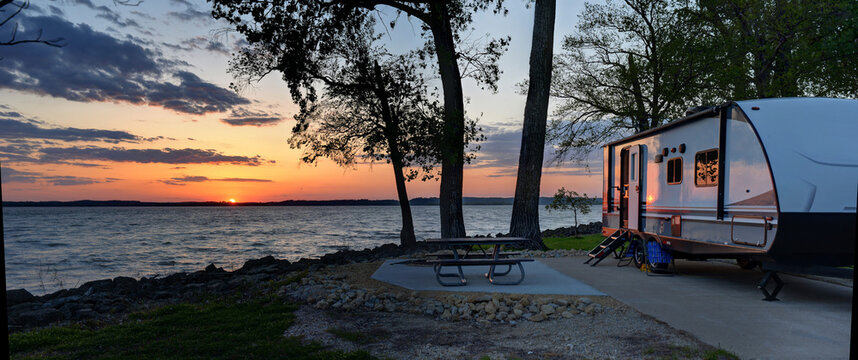
Towable options like travel trailers and fifth wheels offer flexibility if you already own a suitable vehicle or want to detach your living quarters at a campsite to explore nearby areas by car. Travel trailers come in many sizes, from tiny teardrop campers to large luxury models, making them adaptable to various budgets and needs. Fifth wheels require a pickup truck with a special hitch but often provide the most spacious layouts with residential comforts. Renting different RV types before purchasing is a smart way to see what fits your lifestyle best.
Step 2: Setting Up Your RV
Once you have your RV, getting to know your new home is essential. RVs are equipped with several systems that support daily living, such as water supply, electrical hookups, propane tanks, and waste management. Familiarize yourself with each to ensure smooth operation and avoid surprises on the road. For instance, understanding how to fill your freshwater tank, connect to campsite power, or safely operate your propane stove can save frustration and keep your family safe.
Packing for RV living requires thoughtful planning. Space is limited, so focus on multi-purpose items and prioritize essentials. For example, collapsible cookware, stackable storage containers, and compact furniture can make a huge difference. Organizing storage efficiently using bins, hooks, and designated spaces for clothes, food, and tools helps keep the space tidy and accessible. Remember, clutter can quickly take over a small living area, so regular purging and cleaning are part of RV life.
Safety is another critical aspect of setup. Install smoke and carbon monoxide detectors, and keep fire extinguishers easily accessible. Routine checks on tire pressure, brake function, and exterior seals help prevent breakdowns and costly repairs. Also, have a roadside emergency kit and know basic troubleshooting steps for common RV issues. Being prepared for emergencies and understanding your RV systems boosts confidence and peace of mind on the road.
Step 3: Finding and Booking Campgrounds
Where you park your RV greatly influences your experience, so learning how to find and book campgrounds is crucial. Campgrounds vary widely, from full-service RV parks with hookups and amenities like showers, laundry, and Wi-Fi, to more rustic, dispersed camping areas offering peace and privacy but fewer conveniences. Researching in advance helps you find the right balance of comfort and nature depending on your preferences.
Apps like Campendium, AllStays, and Hipcamp are invaluable for browsing campgrounds, reading reviews, and checking availability. These platforms often include user photos and detailed descriptions of site features and rules. Booking early is recommended, especially during peak travel seasons and popular destinations, as many sites fill up quickly. Some parks open reservations months in advance, so setting calendar reminders and planning ahead can secure your preferred spots.
If you’re adventurous or on a budget, boondocking or dispersed camping on public lands offers free or low-cost options. These areas usually lack hookups but provide solitude and a back-to-nature experience. Always follow local regulations, pack out all trash, and leave no trace to preserve these natural spaces. Balancing campground comfort with wild camping adventures lets you customize your travel experience and stretch your budget.

Step 4: Managing Life on the Road
Living in an RV means embracing a new rhythm and lifestyle. Resource management becomes a daily routine, whether it’s conserving fresh water to extend your tank’s use or carefully monitoring your battery power. Many RVers invest in solar panels to supplement energy needs, especially when boondocking, while generators provide backup power. Managing waste tanks responsibly is critical; learn how and where to empty gray and black water to maintain hygiene and avoid fines.
Connectivity can be a challenge on the road, especially for those who work remotely or rely on internet access. Investing in mobile hotspots, signal boosters, or data plans from multiple carriers can improve coverage. Many campgrounds offer Wi-Fi, but speeds vary, so having reliable alternatives is a smart plan. Staying connected also helps with navigation, weather updates, and emergency contacts.
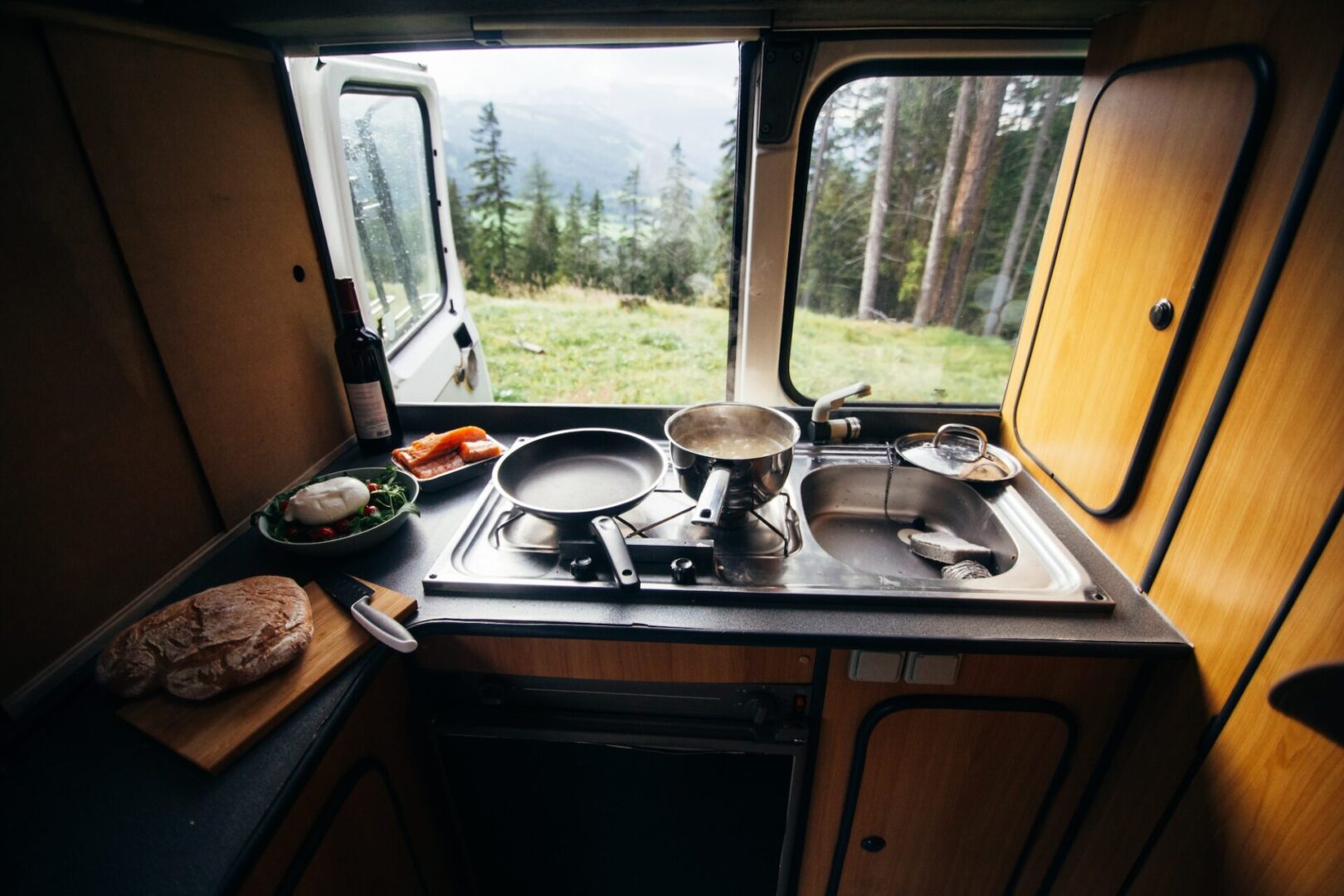
Cooking in an RV requires creativity and adaptation due to smaller kitchen spaces. One-pot meals, batch cooking, and using slow cookers or air fryers designed for RV use can simplify meal prep. Planning meals ahead, using fresh ingredients when possible, and limiting perishable foods helps manage limited fridge space. Many RVers enjoy cooking outdoors with portable grills or campfires, adding to the camping experience.
Step 5: Embracing the Lifestyle
RV living is more than a way to travel—it’s a lifestyle choice that cultivates freedom, flexibility, and a deeper connection to nature. It encourages you to slow down, appreciate simple pleasures, and create meaningful experiences. Meeting fellow RVers at campgrounds, joining online communities, or participating in RV rallies can foster friendships and share valuable knowledge.
This lifestyle invites you to explore new hobbies, whether it’s hiking, fishing, photography, or stargazing, expanding your interests beyond the comforts of home. It also encourages a mindful approach to consumption and environmental impact, fostering respect for the natural world. Many RVers report a heightened sense of well-being and adventure as they embrace the unpredictability of life on the road.
Challenges will arise, from mechanical issues to weather changes, but each obstacle offers a learning opportunity and strengthens your resilience. Over time, your RV becomes not just a vehicle but a cherished home filled with memories of incredible places and experiences. The RV lifestyle is a continuous journey of discovery, self-reliance, and connection.