
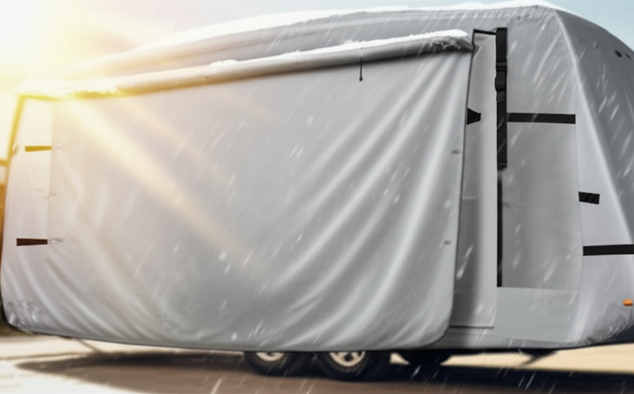
Your RV represents a significant investment and a gateway to adventure, but its exterior is constantly battling the elements. From relentless UV rays that fade paint and crack seals to heavy rain, snow, and abrasive winds, environmental damage can quickly degrade your vehicle’s condition and shorten its lifespan [Source: Camping World]. Dust, dirt, tree sap, and bird droppings also contribute to premature wear and tear, leading to costly repairs and diminished resale value [Source: recworldrv.com].


In our experience, many RV owners initially underestimate the importance of a quality cover, often leading to premature wear and tear on their vehicle’s exterior. We’ve seen firsthand how investing in a multi-layer, breathable cover with proper tie-downs can dramatically extend the life of an RV’s paint, decals, and seals. Clients who follow proper installation and maintenance tips, including regular checks for wind damage and ensuring the RV is dry before covering, report significantly better protection and longevity for their covers and vehicles. Real-world results consistently show that a well-chosen and properly maintained RV cover pays for itself many times over by preventing costly repairs and preserving resale value.
This makes a high-quality, durable RV cover not just an accessory, but a critical safeguard. A robust cover acts as an impenetrable shield, protecting against the harsh realities of outdoor storage. It prevents the unsightly fading of decals, the deterioration of rubber seals, and the risk of mold and mildew growth that can occur with inadequate protection. Investing in the right cover ensures your RV, travel trailer, fifth wheel, or camper maintains its pristine condition, extends its operational life, and preserves its value for years to come. This ultimate guide will help you navigate the options to find the most durable cover tailored to your needs.
Beyond the Basics: Key Features & Materials for Ultimate RV Protection
Choosing a superior RV cover goes beyond just size; it involves understanding the key features and advanced materials designed for ultimate protection. High-quality covers often utilize multi-layer fabrics, which are crucial for defending against diverse weather conditions. For instance, many top-tier covers feature a multi-layer top panel, providing enhanced protection against damaging UV rays and heavy rain and snow. The number of layers can vary, with materials like 600D Oxford fabric offering robust tear resistance and durability against the elements .

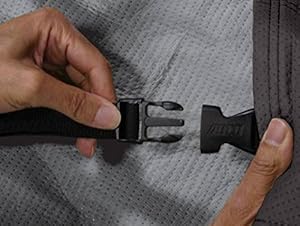

Beyond the fabric itself, look for reinforced stitching, particularly at stress points and corners, to prevent tearing and ensure the cover withstands strong winds and prolonged use. Essential features also include strategically placed vents to reduce wind lofting and prevent moisture buildup, which is critical for mitigating mold and mildew growth beneath the cover. Integrated access panels with zippered entries allow for convenient entry to your RV’s doors and storage compartments without removing the entire cover. Additionally, strong, adjustable straps and buckle systems ensure a snug fit, keeping the cover securely in place even during blustery weather. These elements combine to form a resilient barrier, extending your RV’s lifespan and maintaining its pristine condition.
The Best RV Covers of 2025: Expert Reviews & Side-by-Side Comparisons
Protecting your RV is crucial for maintaining its value and extending its lifespan, especially from harsh elements like sun, rain, snow, and wind. The best RV covers of 2025 combine advanced materials with user-centric design, offering superior protection and convenience.
When selecting an RV cover, durability is paramount. Look for multi-layer fabrics, typically 3 to 7 layers, which provide enhanced resistance against UV rays, tears, and water penetration. Materials like treated polypropylene or specialized composite fabrics (e.g., SFS Aquashed) offer excellent breathability to prevent mold and mildew, while heavy-duty options like 600D Oxford fabric provide robust protection against punctures and abrasions.


Ease of use is another critical factor. Top covers feature multiple zippered access panels, allowing entry to doors, storage compartments, and even slide-outs without removing the entire cover. Reinforced corners and elasticized hems, along with strong tie-down straps and buckles, ensure the cover stays secure, even in high winds, preventing damage to both the cover and your RV.
For overall value, consider covers that offer a balance of robust protection and a reasonable warranty. Brands known for quality often feature advanced UV inhibitors to prevent fabric degradation and maintain the RV’s exterior finish. Investing in a high-quality cover mitigates common pain points like covers tearing prematurely or inadequate protection against environmental damage, ultimately extending your RV’s life and preserving its appearance. For a deeper dive into materials, check out our guide on.
Maximizing Lifespan: Installation, Wind Protection & Mold Prevention Tips
To maximize the lifespan of your RV cover and protect your vehicle, proper installation, robust wind protection, and diligent mold prevention are critical.
Optimal Installation: Before covering, ensure your RV is clean and completely dry to prevent dirt abrasion and moisture trapping. Identify the front and rear of your cover (often marked) and carefully unroll it from front to back. Smooth out any wrinkles and secure all provided straps, ensuring a snug fit. Padding sharp edges or protrusions like gutters and antennae with old towels or foam can prevent tears and extend cover life.
Wind Protection Strategies: High winds are a major cause of cover damage. After securing the primary straps, consider adding extra tie-downs or bungee cords, especially in areas prone to strong gusts. These can be run under the RV from side to side, or around the frame, further cinching the cover to prevent flapping, which causes wear and tear. Regularly inspect the cover for any loose straps or developing tears, addressing them promptly to maintain integrity.
Mold and Mildew Prevention: Mold thrives in damp, still environments. To prevent its growth, always cover a dry RV. Choose a cover made from breathable material to allow moisture vapor to escape. Inside the RV, use desiccant packets or moisture absorbers to reduce humidity. Periodically, on a dry day, briefly remove the cover to air out your RV and the cover itself, promoting ventilation and preventing moisture buildup. Cleaning both the RV exterior and the cover regularly will also deter mold growth.

Conclusion: Secure Your Adventure – Making Your Informed Cover Choice
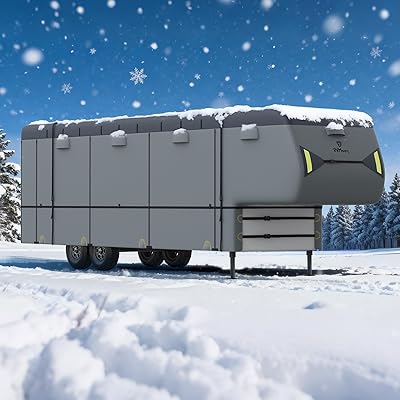
Choosing the right RV cover is a critical investment in the longevity and readiness of your adventurous companion. As we’ve explored throughout this guide, the foundation of an effective cover lies in its material composition, with multi-layer, UV-resistant fabrics like polypropylene or Tyvek being essential for robust protection against harsh sun, heavy rain, snow, and wind. A snug, vehicle-specific fit is equally paramount, preventing abrasive wear from flapping and ensuring comprehensive coverage, while practical features such as zippered access panels for doors and slide-outs, along with integrated vent systems, enhance convenience and mitigate moisture build-up that can lead to mold and mildew.
By prioritizing these essential factors—superior material quality, a precise fit, and thoughtful features—you are not merely purchasing a cover; you are actively safeguarding your RV against premature aging and environmental damage. This informed decision ensures your vehicle remains in prime condition, preserving its aesthetic appeal and resale value, keeping it adventure-ready for every journey ahead, year after year. Making a confident cover choice translates to less worry about maintenance and more time enjoying the open road.