
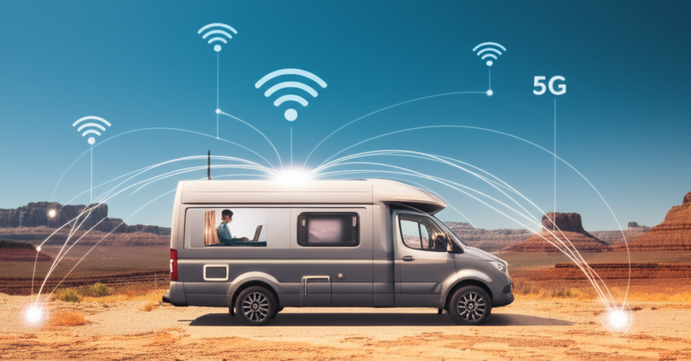
The dream of truly unlimited internet on the open road often clashes with the reality of mobile carrier policies. Many “unlimited” data plans come with a catch: data throttling or de-prioritization, which can severely hinder your online experience. Throttling occurs when a carrier intentionally slows down your internet speeds after you’ve used a certain amount of data, even if your plan is marketed as “unlimited”. This means your streaming, video calls, and even basic browsing can grind to a halt precisely when you need them most.
Even more common for RVers is deprioritization. While it’s not a direct speed reduction, it’s a matter of network priority. During times of network congestion (think busy campgrounds, popular destinations, or peak evening hours), carriers will prioritize traffic from users on higher-tier plans or those who haven’t reached a specific data threshold. This means your “unlimited” connection might be relegated to the back of the line, leaving you with frustratingly slow speeds while others zip along.
For full-time RVers and digital nomads who rely on consistent connectivity, these practices are a significant hurdle. Finding a solution that offers genuinely unlimited, unthrottled, and un-deprioritized data is challenging and often requires looking beyond standard consumer plans. Understanding these limitations is the first step toward securing a reliable internet setup for your mobile lifestyle.
In our experience, navigating the complexities of RV internet is often a journey of trial and error. We’ve personally tested numerous setups, from relying on simple phone hotspots to integrating advanced cellular routers with external antennas, and consistently found that a multi-faceted approach offers the most reliable connectivity. Real-world results show that a dedicated mobile hotspot paired with an optimized data plan, sometimes even from a non-profit like Calyx, can transform an unreliable connection into a robust mobile office. We’ve also observed that investing in quality hardware and understanding signal boosters pays dividends, especially when working remotely from diverse locations.
No Data Caps, No Worries: Deep Dive into Calyx & Other Top Mobile Solutions
For RVers, digital nomads, and anyone on the move, finding genuinely unlimited mobile internet without hidden data caps or frustrating throttling is a constant quest. While many carriers advertise “unlimited” plans, these often come with de-prioritization thresholds that can severely impact your connectivity after a certain data usage. This is where solutions designed for heavy usage truly shine, offering consistent, high-speed access wherever your adventures take you.


One of the most highly regarded options for truly unlimited, unthrottled mobile internet is the Calyx Institute. As a non-profit organization, Calyx offers memberships that include access to unlimited data plans, primarily leveraging T-Mobile’s robust 5G network. Unlike commercial plans, Calyx is known for its commitment to providing genuinely uncapped and unthrottled service, making it an ideal solution for streaming, remote work, and staying connected on the road without worrying about exceeding limits. Their plans often come with a high-performance mobile hotspot device, such as the Inseego MiFi M2000 or newer models, designed to create a reliable Wi-Fi network within your RV.
While Calyx is a standout, other options can also provide robust connectivity for RV life:
- T-Mobile Home Internet: Although intended for residential use, many RVers successfully utilize T-Mobile Home Internet by maintaining a registered home address (e.g., a friend’s house or a mail service). It offers truly unlimited data without caps or throttling, providing excellent value where T-Mobile 5G coverage is strong .
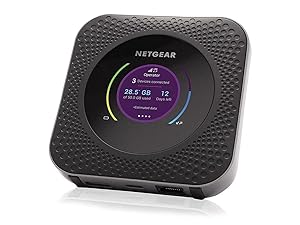
- High-End Mobile Hotspots: Pairing an excellent hotspot with a suitable data plan is crucial. Devices like the Netgear Nighthawk M1 or M6 Pro and the Inseego MiFi X Pro 5G are favored for their robust performance, support for multiple devices, and often, external antenna ports that can dramatically improve signal strength in remote locations.
To optimize your RV internet setup, consider external antennas for your hotspot to pull in weaker signals, and strategically place your device near a window for the best reception. For more comprehensive tips on boosting your signal and setting up your RV internet, check out our guide on. These solutions prioritize consistent, high-speed access, freeing you from the common pain points of data caps and unreliable connections.

From Setup to Speed: Mastering Your RV Internet Extender & Hotspot System
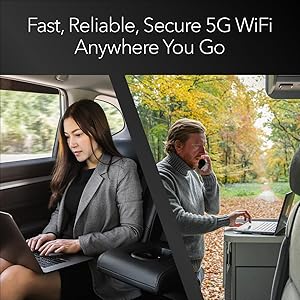
Establishing a robust internet connection on the road requires a strategic approach to your RV internet hardware. Your goal is maximum speed, unwavering reliability, and seamless multi-device management. The core of this system often involves a powerful cellular modem, external antennas, and a Wi-Fi extender or router.
Start with your primary internet source: a dedicated cellular modem or hotspot. While phone hotspots are convenient, a purpose-built cellular router offers stronger performance and external antenna ports. Proper antenna placement is critical. For signal boosters and cellular modems, an external antenna, ideally mounted as high as possible on your RV, significantly improves signal capture, especially in remote areas where cell tower signals are weak. Directional antennas, when aimed correctly at a cell tower, can outperform omnidirectional options for sheer power.
Once you have a strong signal into your RV, an internal Wi-Fi router or extender creates a stable network for all your devices. This dedicated router allows you to manage bandwidth, prioritize critical devices (like a laptop for video calls), and ensures a consistent connection that a simple hotspot might struggle to provide. This setup also enhances your digital privacy by providing a single point of entry to your network, offering a layer of protection beyond public Wi-Fi. By investing in quality components and optimizing their placement, you can overcome common pain points like data caps and unreliable connections, securing truly unlimited internet for your nomadic lifestyle.
Secure Your Signal: VPN for RV Travel & Protecting Your Digital Nomad Life
When you’re embracing the open road, your digital life remains just as active, often relying on public Wi-Fi at campgrounds, coffee shops, or mobile hotspots. These networks, while convenient, are hotbeds for security risks. A Virtual Private Network (VPN) is your essential tool to protect your online privacy and data from prying eyes, making it indispensable for digital nomads and RV travelers alike.
A VPN encrypts your internet connection, creating a secure tunnel for your data, which means anyone attempting to intercept your online activity will only see scrambled information. This is critical for preventing identity theft, protecting sensitive information like banking details, and keeping your browsing history private, especially on unsecured networks where hackers can easily monitor traffic.
When choosing a VPN for RV travel, prioritize services with strong encryption (like AES-256), a strict no-log policy, and a kill switch that automatically disconnects your internet if the VPN connection drops. Look for providers with a wide range of server locations to ensure reliable speeds and the ability to bypass geo-restrictions for accessing your favorite content from anywhere. Opt for a reputable, paid VPN service rather than a free one, as free VPNs often come with security compromises or data limits. Integrate your VPN into your daily online routine, ensuring it’s always active when connected to any network outside your personal, secured home setup.


Beyond Starlink: Crafting Your Perfect, Low-Cost RV Internet Blueprint
While Starlink offers impressive speeds, its premium price point and portability limitations often lead RVers to seek more budget-friendly and flexible options. Crafting your own low-cost RV internet blueprint revolves around leveraging reliable cellular data and smart hardware choices to achieve dependable, “truly unlimited” connectivity without breaking the bank.
The foundation of a cost-effective RV internet setup is a robust cellular data plan. Many full-time RVers bypass expensive phone-tethering by opting for dedicated data-only plans or plans from third-party resellers which often provide more generous “unlimited” data allowances, sometimes even without hard data caps or severe deprioritization, unlike standard consumer phone plans. Companies like MobileMustHave or specific business-class plans from major carriers can offer hundreds of gigabytes before any potential throttling.
Pairing these data plans with a dedicated mobile hotspot or cellular router is crucial. Devices like the Netgear Nighthawk M-series (e.g., M6 Pro) or more advanced Pepwave/Peplink routers outperform phone hotspots, offering superior signal reception, the ability to connect multiple devices, and external antenna ports. These routers create a stable Wi-Fi network within your RV. For extending coverage in remote areas, a cellular signal booster such as the weBoost Drive Reach RV can significantly amplify weak signals, improving both speed and reliability, though it requires an existing signal to boost. By combining a strategic data plan with dedicated equipment, you gain control over your connectivity, ensuring a personalized and affordable internet experience on the road.