
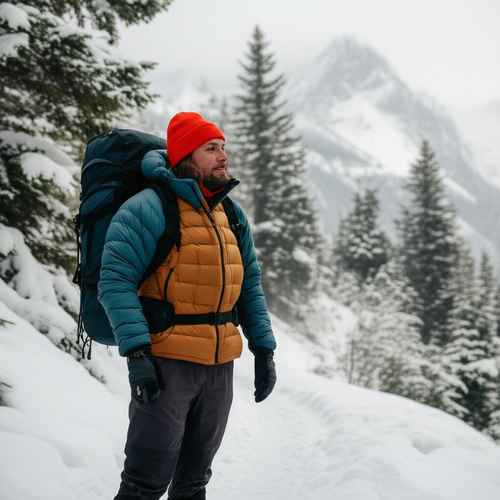
The world transforms under a blanket of snow, offering a unique, often solitary beauty that few get to witness. Winter backpacking invites adventurers into this serene landscape, promising crisp air, stunning vistas, and the quiet solitude of snow-covered trails far from the crowds of warmer seasons. Yet, this incredible experience comes with its own set of challenges, including colder temperatures, shorter daylight hours, and the need for more specialized gear.


Embracing the cold, however, doesn’t mean enduring discomfort. It means embracing preparation. Successful winter backpacking hinges on a thoughtful approach to gear, nutrition, and safety protocols. This guide will empower you with the knowledge and confidence to navigate the frosty wilderness safely and comfortably, transforming potential pain points like staying warm and managing moisture into manageable aspects of your journey. With the right mindset and practical advice, you’ll discover the unparalleled joy of a winter adventure, proving that the season of snow is also the season of exploration.
From Experience
In our experience, the biggest challenge for new winter backpackers isn’t just the cold, but effectively managing moisture. We’ve found that meticulously planning layers, adhering to the “cold not warm” principle when starting an activity, and consistently rotating damp items with dry ones are crucial for comfort and safety. Real-world results show that even a small oversight in moisture management, like damp socks or a sweaty base layer, can quickly turn an invigorating trip into a miserable one. Clients we’ve worked with often report that mastering this aspect is the key to truly enjoying the serene beauty of the winter wilderness.

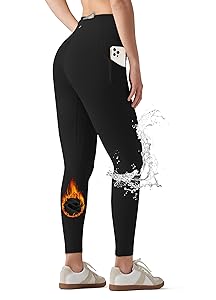

Gearing Up: Essential Winter Clothing & The Layering System
Staying warm and dry in winter conditions hinges on a smart approach to clothing: the layering system. This method is your secret weapon against the cold, allowing you to adapt to fluctuating temperatures and activity levels, preventing the dreaded cycle of sweating and then chilling.
The Three Pillars of Layering:
- Base Layer (Next to Skin): This is your moisture manager. Its primary job is to wick sweat away from your skin to prevent evaporative cooling. Opt for merino wool or synthetic fabrics like polyester, which excel at drying quickly and retaining warmth even when damp. Absolutely avoid cotton, which absorbs moisture and stays wet, turning quickly into a cold, dangerous material.
- Mid-Layer (Insulation): This layer traps warm air, providing crucial insulation. Fleece jackets are popular for their breathability and warmth-to-weight ratio. For more extreme cold or less active periods, a puffy jacket with down or synthetic fill offers superior warmth.
- Outer Shell (Protection): Your outermost layer shields you from wind, snow, and rain. A waterproof and windproof hardshell jacket and pants are essential for wet and windy conditions, keeping moisture out while allowing your inner layers to breathe.
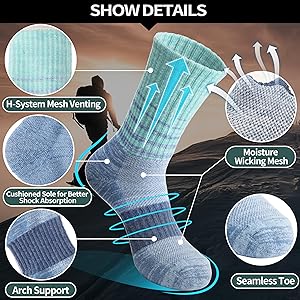


Essential Accessories:
Don’t underestimate the power of accessories! A warm, insulated hat is crucial, as significant heat can be lost through your head. Protect your hands with insulated gloves or mittens (mittens generally offer more warmth). Finally, gaiters are invaluable for keeping snow out of your boots, preventing wet feet and potential frostbite. Properly gearing up means maximizing comfort and safety, making your winter adventures truly enjoyable!
Master the Chill: Staying Warm & Safe While Winter Camping
Conquering the cold is all about smart choices and preparation. Your sleeping system is paramount: opt for a sleeping bag rated at least 10-20°F below your expected nighttime temperatures, preferably one with a cinchable hood and draft collar to trap warmth efficiently. Crucially, pair it with a sleeping pad boasting an R-value of 5 or higher to insulate you from the frozen ground; many experienced campers layer two pads for superior warmth.
When setting up camp, choose a sheltered spot away from prevailing winds and pack down the snow beneath your tent to create an insulating platform. As night falls, smart strategies become your best friends. Wear clean, dry base layers to bed, avoiding over-layering that can cause sweating and subsequent chilling. Boost your internal furnace with a warm, high-calorie meal before sleep, and stay hydrated throughout the day; your body needs fuel to generate heat. Finally, a Nalgene bottle filled with hot water, wrapped in a sock, makes a fantastic, long-lasting foot warmer inside your sleeping bag. These techniques will help you sleep soundly and wake up ready for another day in the winter wonderland.


Fuel Your Adventure: Nutrition & Avoiding Common Winter Mistakes
Embarking on a winter adventure demands more than just warm layers; it requires a strategic approach to nutrition and a keen eye for common mistakes that can quickly turn exhilarating into uncomfortable. In cold environments, your body works harder to maintain its core temperature, significantly increasing calorie expenditure. Fueling your body with calorie-dense foods, particularly those rich in fats and complex carbohydrates, is paramount for sustained energy and warmth. Think nuts, dried fruits, cheese, and whole-grain bars.
Hydration is equally critical, yet often overlooked in winter. The cold can suppress thirst signals, and respiratory water loss increases in dry, cold air. Aim to drink plenty of fluids, and consider bringing an insulated bottle to prevent water from freezing. Dehydration impairs your body’s ability to regulate temperature, making you more susceptible to cold-related injuries.


Don’t let common missteps derail your journey! One prevalent mistake is over-layering, which leads to sweating. This moisture then cools rapidly, chilling you to the bone. Instead, adopt a “be cold, not warm” mentality when starting your activity, and adjust layers frequently to avoid dampness. Neglecting minor details like protecting your extremities—fingers, toes, ears, and nose—can also lead to discomfort or even frostnip; always carry extra gloves, socks, and a warm hat. Finally, ensure your sleeping bag is rated for the expected temperatures and avoid compressing it inside your tent, which can reduce its loft and insulating power. For more on optimizing your sleep system, check out our guide on.
Your Winter Wonderland Awaits: Confident Cold Weather Trips
With the knowledge you’ve gained about proper layering, essential gear, and crucial safety measures, you’re now equipped to turn those winter wonderland dreams into reality. No longer will the thought of biting winds or snow-covered trails intimidate you; instead, you’ll feel a surge of confidence knowing you have the tools to stay warm, comfortable, and safe.
Winter offers a unique kind of solitude and breathtaking beauty often missed by fair-weather adventurers. Imagine waking up to a pristine, silent landscape, far from the summer crowds. This preparation, from understanding your body’s needs in the cold to selecting the right sleeping bag, transforms potential discomfort into an invigorating experience.
Remember to always plan meticulously, check weather forecasts, and communicate your itinerary. Prioritize hydration and nutrition, as they are vital for maintaining core body temperature in the cold. For an in-depth look at optimal gear choices, explore our comprehensive. Your winter wonderland truly awaits. Embrace the crisp air, the snow-dusted trees, and the incredible satisfaction of a confident cold-weather adventure. Go forth and explore!