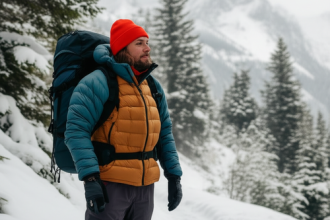
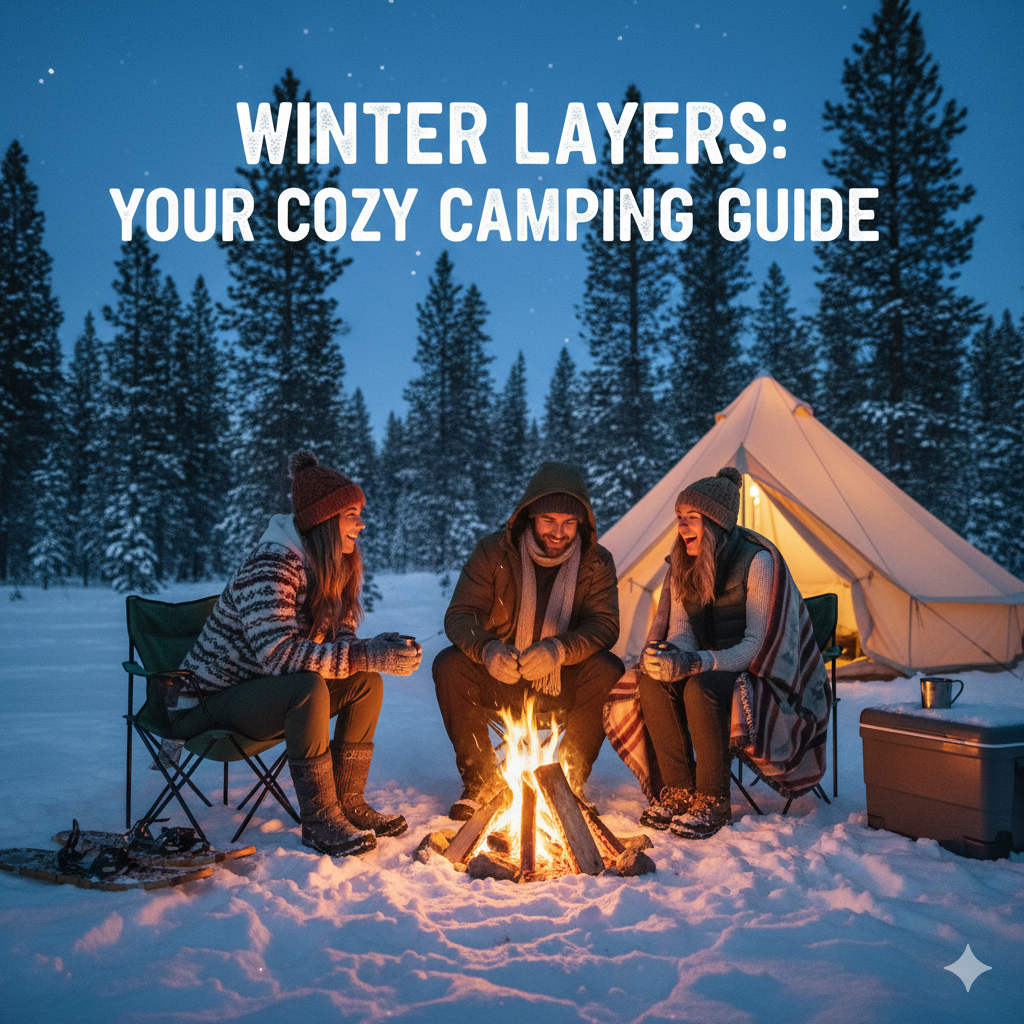
One of the most important skills any camper can learn—whether you’re new to the outdoors or a seasoned adventurer—is how to dress for changing weather conditions. Knowing how to properly layer your clothing can mean the difference between an enjoyable weekend under the stars and a cold, miserable trip. The trick is using the right combination of layers to manage moisture, maintain warmth, and stay protected from wind or rain. It’s all about versatility, and the three-layer system makes it easy to adapt to any environment.


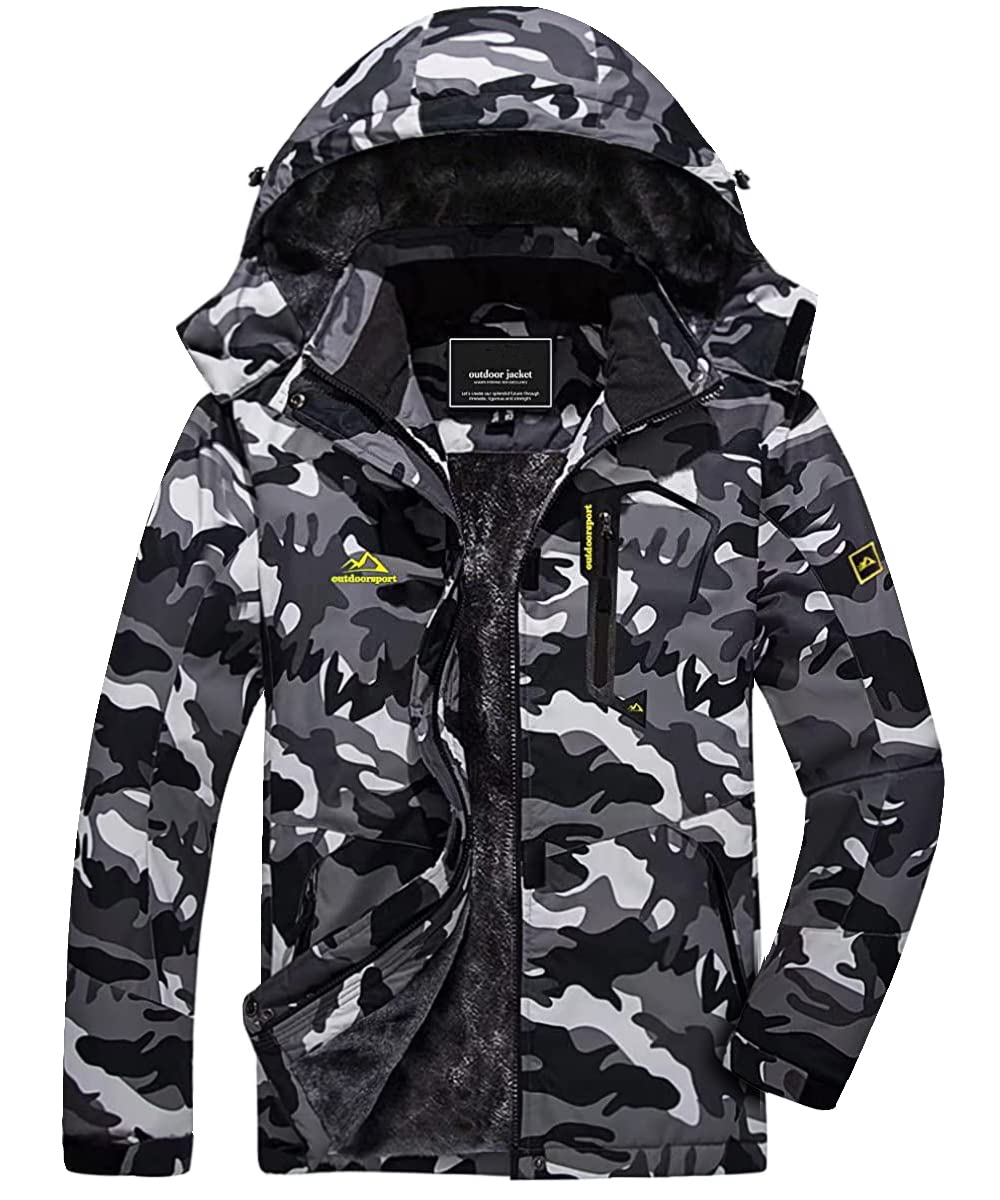
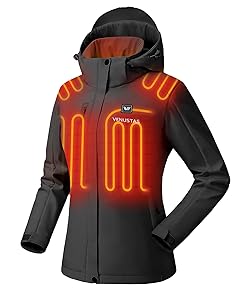
The three-layer system is the gold standard for outdoor wear. It starts with a base layer, which sits directly against your skin and wicks sweat away to keep you dry. Materials like merino wool or synthetic fabrics work best, while cotton should be avoided. Next is the mid layer, which provides insulation and traps body heat. Fleece, wool, or synthetic puff jackets are great options here. The outermost layer—your shell—shields you from wind, rain, and snow. Breathable, waterproof jackets made with materials like Gore-Tex are ideal for this layer.
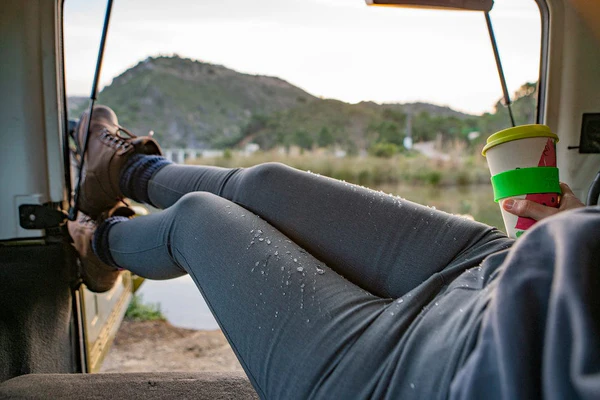
In spring, layering is all about flexibility. Days can swing between sunshine and showers, so start with a lightweight merino base layer, add a fleece or insulated vest, and top it off with a waterproof shell. Don’t forget rain pants, quick-dry socks, and a beanie for chilly mornings. In summer, moisture management and sun protection are key. Breathable fabrics and UV-blocking shirts help keep you cool and burn-free, while a compact rain jacket is essential for unexpected storms. Lightweight trail shoes and zip-off pants also make packing easier and more efficient.
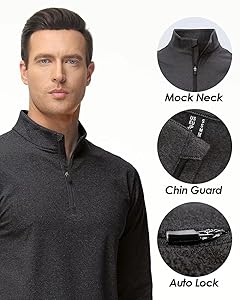


Come fall, your clothing needs to adjust for cooler temperatures and stronger winds. Midweight thermals, a warm fleece or synthetic jacket, and a weatherproof shell create a solid setup. Bring extras like gloves, a neck gaiter, and thick socks to stay comfortable around camp. In winter, the stakes get higher. Layering becomes critical for safety as well as comfort. A heavyweight base layer, insulating down or synthetic mid layer, and a fully waterproof outer shell will protect you from freezing temperatures. Don’t forget to pack balaclavas, insulated gloves, and gaiters for full-body coverage.
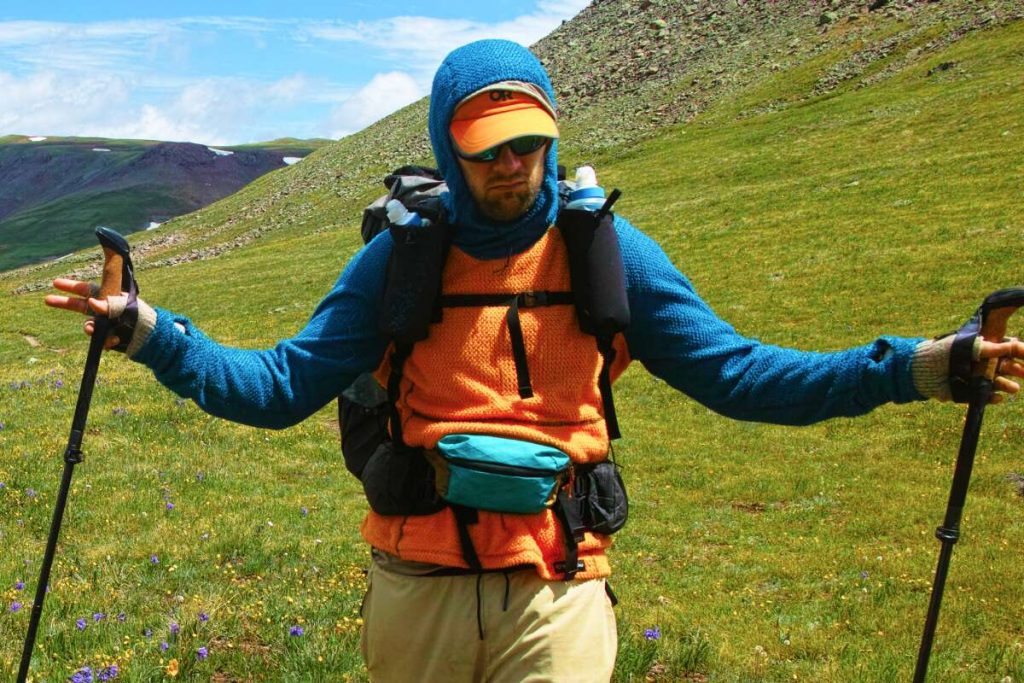
Your feet also benefit from smart layering. A thin liner sock under a warm wool sock helps prevent blisters and keeps your feet warm and dry. Footwear should be chosen based on terrain and season: waterproof hiking boots are perfect for spring, fall, and winter, while breathable trail shoes are great for summer hikes. And after the hike? Slide into camp shoes like Crocs or insulated slippers to let your feet recover.


No matter the season, good layering allows you to stay comfortable and prepared for anything nature throws your way. Always pack backup layers in a dry bag, dress for temperatures slightly colder than expected, and test your setup on short trips before committing to longer ones. With the right system in place, you’ll be ready to handle anything—from mountain storms to desert heat—like a true outdoor pro.